What Is a Bulk FIBC Bag Supplier? The answer reaches beyond a factory and a price list. Bulk Fibc Bag Suppliers connect manufacturers with practical bulk-handling systems for powders, granules, minerals, chemicals, food ingredients, and agricultural materials. They select bag construction, fabric strength, lifting loops, discharge options, liners, and printing according to the product and filling process.
Industry research supports this wider view. Smithers’ report, The Future of Flexible Intermediate Bulk Containers to 2028, highlights demand for efficient, lightweight, and recyclable transport packaging. Grand View Research also identifies industrial logistics, agriculture, food, and chemicals as important FIBC applications. These reports show market direction, not a guarantee of supplier quality. That distinction matters.
“An FIBC must be treated as part of the handling system, not merely as a large bag,” says John McCurry, an FIBC safety and packaging specialist. His point is easy to test on a warehouse floor: a poorly matched liner can leak, weak loops can distort during lifting, and an unsuitable discharge spout can slow production. Small details become expensive problems. Sometimes, the cheapest quotation is not the economical choice.
Reliable Bulk Fibc Bag Suppliers should provide traceable specifications, production records, load testing information, and clear communication about safe working load requirements. Buyers should review samples, inspect stitching, and confirm storage conditions before approval. Standards, reports, and experience help, but none replaces practical verification. A supplier may look impressive online. The real evidence appears when a filled bag is lifted, transported, emptied, and inspected safely.
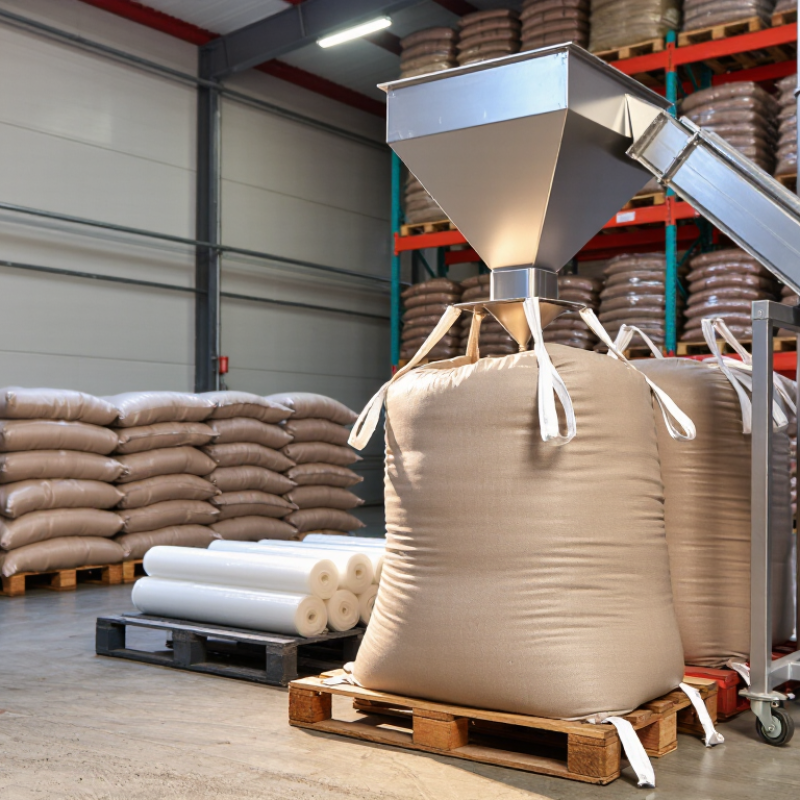
A bulk FIBC bag supplier provides flexible intermediate bulk containers for storing and transporting dry, flowable materials. These bags are commonly made from woven polypropylene fabric. They may carry powders, granules, minerals, agricultural products, or construction materials.
The supplier’s purpose goes beyond selling bags. A reliable supplier helps buyers select the correct capacity, fabric strength, lifting design, discharge option, and inner liner. For example, a 90 x 90 x 110 cm bag may include four lifting loops and a fitted liner. That choice can affect filling speed, dust control, and warehouse handling.
In practical purchasing, I check the safe working load, safety factor, stitching quality, and fabric coating. The supplier should provide clear technical data and inspection records. Samples also matter. A bag can appear strong but perform poorly at the seams. That is an easy detail to overlook.
Suppliers often coordinate production, printing, packing, and delivery schedules. They may also recommend test methods for moisture resistance, stacking, and lifting stability. Experienced teams ask how the bag will be filled, moved, stored, and emptied. Without those details, customization becomes guesswork.
Quality control is not always perfect. A printed specification can still miss a real handling problem. Buyers should review samples, confirm tolerances, and communicate changes in writing. This practical cooperation makes the supplier a technical partner, not merely a source of packaging.
What Is a Bulk FIBC Bag Supplier?
Types of Products Offered by Bulk FIBC Bag Suppliers
A bulk FIBC bag supplier provides flexible intermediate bulk containers for storing and moving dry materials. These bags commonly hold powders, granules, minerals, agricultural products, and construction materials. Standard four-loop bags work well for many warehouses. U-panel and circular designs offer different stability and filling behavior.
Suppliers may also provide coated bags, uncoated breathable bags, and bags with polyethylene liners. A coated surface can reduce moisture entry. A liner can improve cleanliness when fine powders require extra protection. Food-contact applications need suitable materials and documented production controls. That detail matters.
Some products include sift-proof seams, discharge spouts, filling inlets, and various lifting loops. Conductive designs may support controlled handling where static management is required. Ventilated bags can help selected products release heat or moisture. The right choice depends on density, filling equipment, storage time, and lifting method.
Specifications should be checked carefully. A stronger-looking bag is not automatically safer or more efficient. Safe working load, safety factor, fabric strength, and test records deserve attention. Suppliers should explain these details clearly and provide samples when possible. A small trial can reveal problems that a catalogue misses. This step is easy to skip. It should not be.
Bulk FIBC bag suppliers provide flexible intermediate bulk containers for storing and transporting dry materials such as powders, granules, chemicals, minerals, food ingredients, and agricultural products. Common offerings include standard, baffle, UN-certified, and ventilated FIBC bags.
The chart compares nominal geometric volumes calculated from commonly specified FIBC dimensions. Actual usable capacity varies according to bag construction, filling method, material density, and safety requirements.
A bulk FIBC bag supplier coordinates design, material sourcing, production, testing, and shipment. These bags often carry powders, granules, or other dry materials. The work begins with a clear specification for capacity, fabric weight, lifting loops, discharge features, and safety factors. Experienced technicians select polypropylene tapes and set the circular looms for consistent fabric width. They monitor weaving tension, coating thickness, and color during each production run.
Small variations matter. A bag may look acceptable while hidden seam stress remains. Production records help connect each finished bag with its raw materials, operators, and inspection results.
Quality control continues through cutting, sewing, cleaning, and final packing. Inspectors check dimensions, loop alignment, fabric defects, stitching density, and label accuracy. They test samples for tensile strength, seam strength, load performance, and safe working limits. Samples may undergo repeated lifting or controlled drop testing.
Seam strength matters. Operators also examine inner surfaces for loose threads or contamination. When results fall outside the approved range, the batch is held for investigation rather than released quickly.
Reliable suppliers use written procedures, calibrated equipment, and trained inspectors. They confirm specifications before production and keep traceable batch documents for customer review. Clear communication prevents costly mistakes.
Still, no process is perfect. A supplier may identify a recurring weakness only after handling feedback from warehouses or filling operators. That weakness deserves attention.
Reviewing complaints, testing failed samples, and correcting machine settings show practical accountability. Customers should ask for inspection records, test methods, and clear evidence that each shipment matches the agreed design.
A bulk FIBC bag supplier provides flexible intermediate bulk containers for storing and transporting dry materials. These large woven bags commonly hold powders, granules, flakes, and agricultural products. Their industries are diverse.
Agriculture uses FIBC bags for seeds, animal feed, grain, and fertilizer. Food processors use them for flour, sugar, starch, and other dry ingredients. Construction companies transport sand, cement additives, and mineral powders in strong, controlled loads. Chemical manufacturers may need antistatic fabric, coated walls, or special liners. Recycling facilities also use bulk bags for sorted plastic, rubber, and glass materials. Each application creates different safety demands.
A reliable supplier should explain working load limits, filling methods, discharge options, fabric strength, and storage conditions. Food-related applications need suitable materials and documented cleanliness controls. Moisture-sensitive powders may require an inner liner. A bag can look strong and still fail when exposed to poor lifting practices. That detail is easy to overlook.
Tips: Match the bag design to the material, not only its weight. Check lifting loops before use. Keep filled bags away from sharp edges, water, and excessive sunlight. Ask for test records and traceable specifications. Cheap packaging may reduce costs, but that judgment can be wrong when damaged materials or handling delays appear. Suppliers should also review the loading process, because real warehouse conditions often differ from planned procedures.
A bulk FIBC bag supplier manufactures or sources flexible intermediate bulk containers for industrial transport and storage. These bags commonly carry powders, granules, minerals, agricultural materials, and construction products. A dependable supplier should understand filling methods, discharge designs, lifting loops, fabric strength, and liner requirements. Product knowledge matters because one small design error can affect handling safety and material flow.
Check the supplier’s technical records before discussing price. Ask for fabric specifications, safe working load, safety factors, test reports, and production traceability. Reliable suppliers should explain how they inspect stitching, seams, lifting loops, and contamination controls. If the bags will hold food, chemicals, or sensitive materials, confirm suitable cleanliness procedures and documented compliance with applicable regulations. Clear samples help. A drawing alone may hide practical problems.
Capacity and communication deserve equal attention. Review lead times, minimum order quantities, printing accuracy, packaging methods, and replacement procedures. A factory audit or live production video can reveal more than polished photographs. Ask who handles quality complaints and how quickly they respond. Cheap bags are not always economical. A failed loop can interrupt filling, transport, or unloading. No checklist is perfect. I would still question unusually low prices, vague certificates, and promises that sound too smooth. The best supplier remains transparent when requirements change, even when the discussion becomes inconvenient.
Visit the official SA government portal www.sacoronavirus.co.za to stay informed about latest COVID-19 updates. Dismiss